
Aircraft Window Condensation Can Cause Avionics Instrument Corrosion
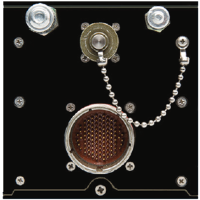
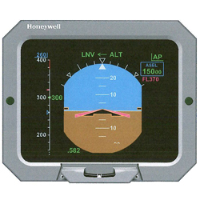
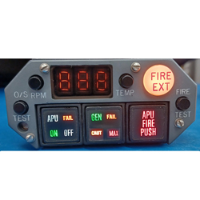
As condensation collects on the windshield of our aircraft, it has to drip somewhere. And that somewhere is directly on this units below.
The Duncan Intelligence is a free, technical newsletter for business aircraft owners and operators. Written in-house by Duncan Aviation's technical representatives, each edition includes technical tips and advice on topics and trends in business aviation. It is a free, monthly e-mail subscription for aviation enthusiasts around the world.
Subscribe now to receive the Duncan Intelligence in your inbox.
As condensation collects on the windshield of our aircraft, it has to drip somewhere. And that somewhere is directly on this units below.
As the pre-owned aircraft market stabilizes, the Bombardier Global Express XRS has solidified its status as the top-tier value choice for ultra-long-range travel. Offering intercontinental reach and a proven platform at a significant discount compared to newer models, the XRS represents a strategic entry point for value-conscious operators. The following analysis breaks down the current pricing trends, critical value drivers, and the competitive landscape for this enduring market leader.
The precision of an aircraft’s Environmental Control System depends on small, often-overlooked temperature sensors. These units act as miniature vacuums, drawing in cabin air, along with dust and debris, to provide the real-time data necessary for passenger comfort. This article explores why regular cleaning and maintenance of these sensors is critical to ensuring the ECS delivers the precise climate control it was engineered to provide.
It’s a common question that many operators hesitate to ask, but the answer is a definitive no. In reality, regular gas-path cleaning is a vital pillar of preventive maintenance, especially for aircraft operating in salt air or polluted environments. A strategic wash schedule is your best defense against performance loss and the high cost of corrosion.
Affecting 600+ aircraft, these Learjet aileron Service Bulletins require specialized NDT inspections and structural modifications. Duncan Aviation’s experts break down the requirements, downtime expectations, and why choosing the right facility is vital.
We recommend inspecting this are for proper bolt conformity and torque.
Bombardier issued two Service Bulletins calling for drainage improvements and corrosion protection to the Mid and Outboard flaps on the Bombardier Global.
If your Learjet 40/45 has more than 4,800 hrs. of total time and a Calendar Phase D Inspection has been performed, we highly recommend reviewing your aircraft’s records to ensure these IRNs did not get missed.
Before you adjust the sidestay clearances on your Hawker aircraft, pay close attention to the Link Assembly-Lock.
Service Bulletin TFE731-79-5134 addresses oil leaks, low oil pressure, and in-flight shutdown events resulting from cracked No. 6 bearing oil supply tubes.
If these units are ever pulled for operational failure, they should be sent in immediately for evaluation. The longer they sit on a shelf, the more likely corrosion will invade the internal parts, potentially causing more problems at disassembly.
We will be discussing how a WAAS and LPV enabled Universal Avionics FMS increases safety, improves operational efficiency, and lowers direct operating costs.
Keep reading to discover the causes and how Duncan Aviation technicians fixed it.
New Challenger 604 rotable part numbers have been added to the component inventory. This adds or supplements the availability of most of the major components from this aircraft.
Pratt and Whitney released SIL PW300-200 that introduces a scheduled Fan Blade Lubrication requirement on the PW307A engine due to unscheduled vibration events occurring in the field.