
Aircraft Window Condensation Can Cause Avionics Instrument Corrosion
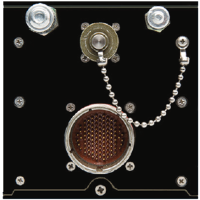
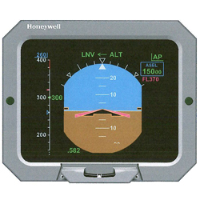
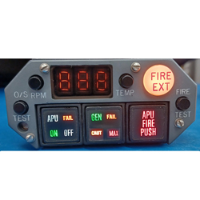
As condensation collects on the windshield of our aircraft, it has to drip somewhere. And that somewhere is directly on this units below.
The Duncan Intelligence is a free, technical newsletter for business aircraft owners and operators. Written in-house by Duncan Aviation's technical representatives, each edition includes technical tips and advice on topics and trends in business aviation. It is a free, monthly e-mail subscription for aviation enthusiasts around the world.
Subscribe now to receive the Duncan Intelligence in your inbox.
As condensation collects on the windshield of our aircraft, it has to drip somewhere. And that somewhere is directly on this units below.
As the pre-owned aircraft market stabilizes, the Bombardier Global Express XRS has solidified its status as the top-tier value choice for ultra-long-range travel. Offering intercontinental reach and a proven platform at a significant discount compared to newer models, the XRS represents a strategic entry point for value-conscious operators. The following analysis breaks down the current pricing trends, critical value drivers, and the competitive landscape for this enduring market leader.
The precision of an aircraft’s Environmental Control System depends on small, often-overlooked temperature sensors. These units act as miniature vacuums, drawing in cabin air, along with dust and debris, to provide the real-time data necessary for passenger comfort. This article explores why regular cleaning and maintenance of these sensors is critical to ensuring the ECS delivers the precise climate control it was engineered to provide.
It’s a common question that many operators hesitate to ask, but the answer is a definitive no. In reality, regular gas-path cleaning is a vital pillar of preventive maintenance, especially for aircraft operating in salt air or polluted environments. A strategic wash schedule is your best defense against performance loss and the high cost of corrosion.
Affecting 600+ aircraft, these Learjet aileron Service Bulletins require specialized NDT inspections and structural modifications. Duncan Aviation’s experts break down the requirements, downtime expectations, and why choosing the right facility is vital.
GE is recommending the replacement of the fuel valve thrust bushing be complied with as soon as possible before the fuel control has accumulated 10,000 hours.
The glow-in-the-dark Tritium "EXIT" signs that may be installed in Falcon aircraft are being phased out due to the emission of low levels of radiation. These emissions have been deemed sensitive to some local regulations.
General Electric Service Bulletin (SB) CF34-72-0252 replaces the #5 bearing that was introduced on newer production engines, starting with engine S/N 950333, or with the incorporation of SB 72-0176.
Insects on the windshield can be dealt with, but in the pitot static system they can be truly maddening. Bugs, like birds, can build a nest overnight.
November 3, 2012, is the date that operators are required to be in compliance of AD 2010-07-02. It addresses possible erroneous glide slope or localizer display indications.
SB 72-0175 changes the compliance date from January 1, 2013, to the next shop visit.
TCAS 7.1 is being offered as an upgrade by all of the major TCAS manufacturers and makes two important safety enhancements.
It was determined that the epoxy ramp installed to prevent water accumulation could deteriorate with time. A dry ice blasting machine removes the epoxy ramp efficiently without collateral damage.
Now, through a Securaplane STC, Citation 500, 550 and 560 operators are able to enjoy the benefits of the thin plate, pure lead (TPPL) technology that improves discharge and recharge capacity.
Bombardier has issued a recommended SB 45-56-3 that calls for the inspection of the windshield coupe rails on all Learjet 45 models.