
Aircraft Window Condensation Can Cause Avionics Instrument Corrosion
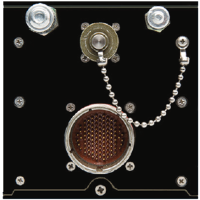
As condensation collects on the windshield of our aircraft, it has to drip somewhere. And that somewhere is directly on this units below.
The Duncan Intelligence is a free, technical newsletter for business aircraft owners and operators. Written in-house by Duncan Aviation's technical representatives, each edition includes technical tips and advice on topics and trends in business aviation. It is a free, monthly e-mail subscription for aviation enthusiasts around the world.
Subscribe now to receive the Duncan Intelligence in your inbox.
As condensation collects on the windshield of our aircraft, it has to drip somewhere. And that somewhere is directly on this units below.
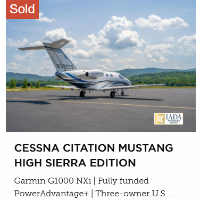
As the pre-owned aircraft market stabilizes, the Bombardier Global Express XRS has solidified its status as the top-tier value choice for ultra-long-range travel. Offering intercontinental reach and a proven platform at a significant discount compared to newer models, the XRS represents a strategic entry point for value-conscious operators. The following analysis breaks down the current pricing trends, critical value drivers, and the competitive landscape for this enduring market leader.
The precision of an aircraft’s Environmental Control System depends on small, often-overlooked temperature sensors. These units act as miniature vacuums, drawing in cabin air, along with dust and debris, to provide the real-time data necessary for passenger comfort. This article explores why regular cleaning and maintenance of these sensors is critical to ensuring the ECS delivers the precise climate control it was engineered to provide.
It’s a common question that many operators hesitate to ask, but the answer is a definitive no. In reality, regular gas-path cleaning is a vital pillar of preventive maintenance, especially for aircraft operating in salt air or polluted environments. A strategic wash schedule is your best defense against performance loss and the high cost of corrosion.
Affecting 600+ aircraft, these Learjet aileron Service Bulletins require specialized NDT inspections and structural modifications. Duncan Aviation’s experts break down the requirements, downtime expectations, and why choosing the right facility is vital.
There are a number of steps you can take before just pulling a unit and sending it in for repair. Any one of them could save you a lot of time and considerable sum of money.
Making assumptions during aircraft maintenance events can have a major impact on whether a job is done properly or not. Such is the case with sealants.
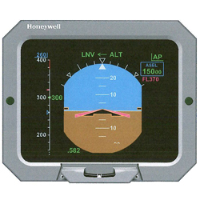
Honeywell authorized Duncan Aviation to perform eddy current corrosion inspections required for two service bulletins
Do not use electric grease guns!
You don’t think much about the temperature sensor in your aircraft’s engine air ducts, until they stop working. Failure can be caused by a number of reasons including cross-threading, broken tabs, or corrosion of the inlet fitting.
Keeping the wool carpet in your aircraft looking and performing at its best, regular cleaning is necessary.
If water is allowed to penetrate the seal between carbon fiber and aluminum, it creates a battery-like environment and can becomes highly corrosive.
Many factors, such as storage conditions or the opening and resealing of the original container, can affect shelf life of de-icers.
All OEMs allow for time limits, or tolerances, on inspections to be extended for maintenance scheduling purposes. This is helpful when planning for maintenance events around a busy flight calendar.
Do not send us your radar flat plate. They are difficult to ship and not necessary for the inspection.