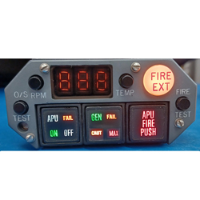
Aircraft Window Condensation Can Cause Avionics Instrument Corrosion
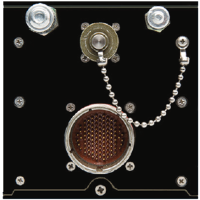
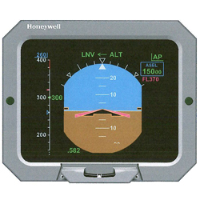
As condensation collects on the windshield of our aircraft, it has to drip somewhere. And that somewhere is directly on this units below.
The Duncan Intelligence is a free, technical newsletter for business aircraft owners and operators. Written in-house by Duncan Aviation's technical representatives, each edition includes technical tips and advice on topics and trends in business aviation. It is a free, monthly e-mail subscription for aviation enthusiasts around the world.
Subscribe now to receive the Duncan Intelligence in your inbox.
As condensation collects on the windshield of our aircraft, it has to drip somewhere. And that somewhere is directly on this units below.
As the pre-owned aircraft market stabilizes, the Bombardier Global Express XRS has solidified its status as the top-tier value choice for ultra-long-range travel. Offering intercontinental reach and a proven platform at a significant discount compared to newer models, the XRS represents a strategic entry point for value-conscious operators. The following analysis breaks down the current pricing trends, critical value drivers, and the competitive landscape for this enduring market leader.
The precision of an aircraft’s Environmental Control System depends on small, often-overlooked temperature sensors. These units act as miniature vacuums, drawing in cabin air, along with dust and debris, to provide the real-time data necessary for passenger comfort. This article explores why regular cleaning and maintenance of these sensors is critical to ensuring the ECS delivers the precise climate control it was engineered to provide.
It’s a common question that many operators hesitate to ask, but the answer is a definitive no. In reality, regular gas-path cleaning is a vital pillar of preventive maintenance, especially for aircraft operating in salt air or polluted environments. A strategic wash schedule is your best defense against performance loss and the high cost of corrosion.
Affecting 600+ aircraft, these Learjet aileron Service Bulletins require specialized NDT inspections and structural modifications. Duncan Aviation’s experts break down the requirements, downtime expectations, and why choosing the right facility is vital.
It is costly to polish the leading edge on a regular basis. But it is considerably more costly to let them go for an extended period time.
Ionization technology has been used in several industries for years. Watch this video learn how the system can work for your aircraft.
This Straight Talk book deals with Datalink functions, specifically highlighting FANS 1/A+ (Future Air Navigation Systems), which is one of the Airspace modernization initiatives.
Grease alone is the number one defense against corrosion. Corrosion cannot be prevented, but the effects of it can be lessened and controlled if you are aggressive with your grease gun. The greasier the better.
Batteries deserve more credit in the successful operation of your aircraft. They are the first component to engage an aircraft’s electrical system and the last line of defense before everything shuts down in an emergency.
Simply put, fuel starvation occurs when the available fuel is unable to reach the engines. Water, debris and microbes in aircraft fuel tanks clog fuel supply lines and filters and ultimately starve the engines of the necessary fuel.
Time sometimes slips by faster than we realize. And while it does, components that are sitting on shelves as serviceable are aging.
To our neighbors and friends to the north, thank you for being faithful subscribers. We could use your help.
Duncan Aviation technicians have been finding brightened surfaces on both leading edges and engine inlets with dulled finishes and varying degrees of corrosion. Catching it early is the key.
At Duncan Aviation, we encourage you to stay up-to-date on the available Service Bulletins as symbol generator upgrades and improvements become available.