
Aircraft Window Condensation Can Cause Avionics Instrument Corrosion
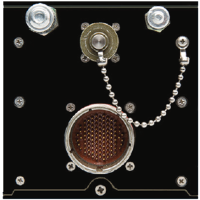
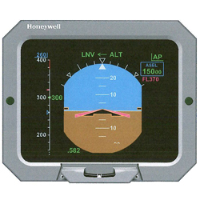
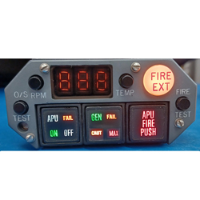
As condensation collects on the windshield of our aircraft, it has to drip somewhere. And that somewhere is directly on this units below.
The Duncan Intelligence is a free, technical newsletter for business aircraft owners and operators. Written in-house by Duncan Aviation's technical representatives, each edition includes technical tips and advice on topics and trends in business aviation. It is a free, monthly e-mail subscription for aviation enthusiasts around the world.
Subscribe now to receive the Duncan Intelligence in your inbox.
As condensation collects on the windshield of our aircraft, it has to drip somewhere. And that somewhere is directly on this units below.
As the pre-owned aircraft market stabilizes, the Bombardier Global Express XRS has solidified its status as the top-tier value choice for ultra-long-range travel. Offering intercontinental reach and a proven platform at a significant discount compared to newer models, the XRS represents a strategic entry point for value-conscious operators. The following analysis breaks down the current pricing trends, critical value drivers, and the competitive landscape for this enduring market leader.
The precision of an aircraft’s Environmental Control System depends on small, often-overlooked temperature sensors. These units act as miniature vacuums, drawing in cabin air, along with dust and debris, to provide the real-time data necessary for passenger comfort. This article explores why regular cleaning and maintenance of these sensors is critical to ensuring the ECS delivers the precise climate control it was engineered to provide.
It’s a common question that many operators hesitate to ask, but the answer is a definitive no. In reality, regular gas-path cleaning is a vital pillar of preventive maintenance, especially for aircraft operating in salt air or polluted environments. A strategic wash schedule is your best defense against performance loss and the high cost of corrosion.
Affecting 600+ aircraft, these Learjet aileron Service Bulletins require specialized NDT inspections and structural modifications. Duncan Aviation’s experts break down the requirements, downtime expectations, and why choosing the right facility is vital.
This is a brief update and guidance on maintenance topics for Pratt & Whitney Canada’s PW500 engine family.
Issued on April 14, 2017, this Honeywell SB replaces the main fuel control on the AS907-2-1G model engine found on the Gulfstream G280 aircraft.
The House of Representatives will vote next week. Act Now to voice your opposition.
This is a brief update and guidance on maintenance topics for the Pratt & Whitney PW307A, PW306A, and PW305A engines.
Keep reading to discover why a Falcon 900EX repeatedly tripped the fuel magnetic indicator with an 813 code.
ADS-B Out is a satellite-based technology that lets properly equipped aircraft broadcast their precise location to air traffic control as well as other aircraft equipped with ADS-B In.
The European Aviation Safety Agency’s (EASA’s) deadline for upgrading to Automatic Dependent Surveillance-Broadcast (ADS-B) is approaching quickly. Owner/operators who need to retrofit their aircraft have until midnight on June 6, 2020, to meet the terms of the mandate.
This is a brief update on the current engine Service Bulletins for the Pratt & Whitney PW308C engine that can be accomplished on in-service engines.
If you are operating an Inmarsat SatCom on your aircraft, take a few minutes to find out if this information pertains to you.
This is a Category 3 Service Bulletin that is applicable to aircraft engines on Gulfstream G280 and Bombardier Challenger 300 aircraft.