
Aircraft Window Condensation Can Cause Avionics Instrument Corrosion
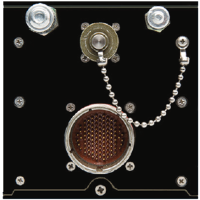
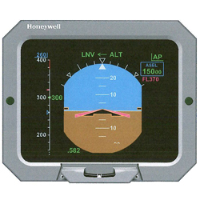
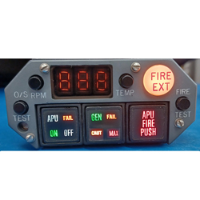
As condensation collects on the windshield of our aircraft, it has to drip somewhere. And that somewhere is directly on this units below.
The Duncan Intelligence is a free, technical newsletter for business aircraft owners and operators. Written in-house by Duncan Aviation's technical representatives, each edition includes technical tips and advice on topics and trends in business aviation. It is a free, monthly e-mail subscription for aviation enthusiasts around the world.
Subscribe now to receive the Duncan Intelligence in your inbox.
As condensation collects on the windshield of our aircraft, it has to drip somewhere. And that somewhere is directly on this units below.
As the pre-owned aircraft market stabilizes, the Bombardier Global Express XRS has solidified its status as the top-tier value choice for ultra-long-range travel. Offering intercontinental reach and a proven platform at a significant discount compared to newer models, the XRS represents a strategic entry point for value-conscious operators. The following analysis breaks down the current pricing trends, critical value drivers, and the competitive landscape for this enduring market leader.
The precision of an aircraft’s Environmental Control System depends on small, often-overlooked temperature sensors. These units act as miniature vacuums, drawing in cabin air, along with dust and debris, to provide the real-time data necessary for passenger comfort. This article explores why regular cleaning and maintenance of these sensors is critical to ensuring the ECS delivers the precise climate control it was engineered to provide.
It’s a common question that many operators hesitate to ask, but the answer is a definitive no. In reality, regular gas-path cleaning is a vital pillar of preventive maintenance, especially for aircraft operating in salt air or polluted environments. A strategic wash schedule is your best defense against performance loss and the high cost of corrosion.
Affecting 600+ aircraft, these Learjet aileron Service Bulletins require specialized NDT inspections and structural modifications. Duncan Aviation’s experts break down the requirements, downtime expectations, and why choosing the right facility is vital.
A quick torque check of these fasteners can be done in 10 minutes from the outside of the aircraft and is a good indicator of the integrity of this high stressed area.
On the Falcon 50, 900 and 2000 model aircraft, task code 30-20-00-710-801 has you do any operational test of the engine inlet anti-icing system. Extreme caution is warranted to prevent an overheat condition and possible structural damage.
Universal 4” & 5” FPCDUs are used widely on all make model aircraft in both commercial and business aviation. Here are the most common squawks seen by Duncan Aviation on these units.
Some Learjet 40 and Learjet 45 aircraft operators have been experiencing various ongoing intermittent bleed air issues. While some are false indications, many are actual leaks.
If your inspection calendar includes a large inspection that requires the interior being removed, I recommend incorporating the Low Temperature Ground Wing Anti-Ice System.
When recording the MPD entry in the airframe logbook, make sure it is clear which maintenance program is the appropriate program. Vague entries, while not wrong, lack any real details and can potentially lead to having your aircraft inspected against the wrong program.
Duncan Aviation technicians have recently seen several Hawkers with damaged emergency brake pressure lines due to contact with the Main Landing Gear upper casings when the strut is compressed.
Dassault has new “A” check requirement: task 28-00-00-280-801, on the detection of microbiological contamination that provides a new and faster method for fuel sampling.
Revision 43 to the Hawker Structural Repair Manual has been issued and has incorporated several important changes that address the concerns.
Some Learjet 40 and Learjet 45 aircraft operators have been experiencing various ongoing intermittent bleed air issues. While some are false indications, many are actual leaks.