
Aircraft Window Condensation Can Cause Avionics Instrument Corrosion
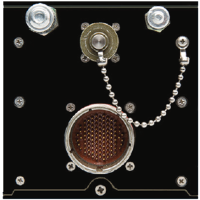
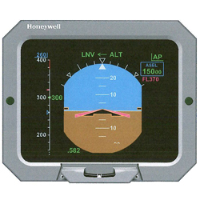
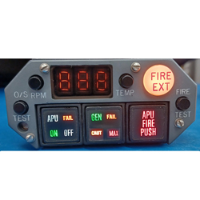
As condensation collects on the windshield of our aircraft, it has to drip somewhere. And that somewhere is directly on this units below.
The Duncan Intelligence is a free, technical newsletter for business aircraft owners and operators. Written in-house by Duncan Aviation's technical representatives, each edition includes technical tips and advice on topics and trends in business aviation. It is a free, monthly e-mail subscription for aviation enthusiasts around the world.
Subscribe now to receive the Duncan Intelligence in your inbox.
As condensation collects on the windshield of our aircraft, it has to drip somewhere. And that somewhere is directly on this units below.
As the pre-owned aircraft market stabilizes, the Bombardier Global Express XRS has solidified its status as the top-tier value choice for ultra-long-range travel. Offering intercontinental reach and a proven platform at a significant discount compared to newer models, the XRS represents a strategic entry point for value-conscious operators. The following analysis breaks down the current pricing trends, critical value drivers, and the competitive landscape for this enduring market leader.
The precision of an aircraft’s Environmental Control System depends on small, often-overlooked temperature sensors. These units act as miniature vacuums, drawing in cabin air, along with dust and debris, to provide the real-time data necessary for passenger comfort. This article explores why regular cleaning and maintenance of these sensors is critical to ensuring the ECS delivers the precise climate control it was engineered to provide.
It’s a common question that many operators hesitate to ask, but the answer is a definitive no. In reality, regular gas-path cleaning is a vital pillar of preventive maintenance, especially for aircraft operating in salt air or polluted environments. A strategic wash schedule is your best defense against performance loss and the high cost of corrosion.
Affecting 600+ aircraft, these Learjet aileron Service Bulletins require specialized NDT inspections and structural modifications. Duncan Aviation’s experts break down the requirements, downtime expectations, and why choosing the right facility is vital.
Duncan Aviation recently completed a structural repair of an engine pylon upper skin. An area of exfoliation corrosion was found in the forward edge of the skin during the aircraft inspection.
Collaborating with representatives from across the industry, the NBAA Maintenance Committee has been working on a plan to raise the level of education, training and expertise for all aviation technicians.
New FANS 1/A CPDLC routes from Nav Canada mean less fuel and faster flights in and out of the North Atlantic. Are you equipped?
The Main Cabin Door on the Hawker 125 Series is well designed and relatively problem free. However, with normal use and foot traffic, it is exposed to some potentially corrosive elements.
Getting a specific amount of fuel into the proper tanks is the job of the Load Select System. Keep reading to learn the common squawks of the system.
Duncan Aviation's Gary Harpster tells you what you need to know about WAAS/LPV for corporate aircraft.
The 2020 deadline for the NextGen Mandates is approaching fast. Do you have the answers to your questions?
The flight deck is the one of the first things your passengers see. Don’t fly with missing or broken parts.
Been experiencing strange issues with your FMS, such as blank screens or frozen systems? Keep reading on how to troubleshoot your FMS Database card.
Are the cracks in your aircraft’s new paint a cosmetic flaw or substandard paint job? Believe it or not, it could be normal wear. Either way, paint requires maintenance! Do not ignore it.